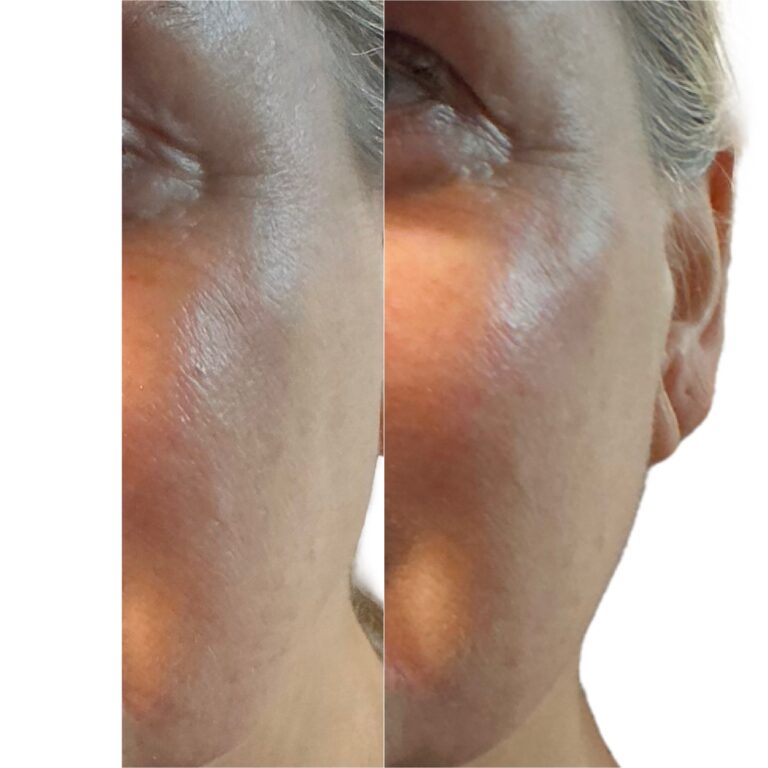
Precision Facial Fillers for Natural Contouring
- Home
- Facial Filler
Contour & Refine Treatment
Subtle tweaks, stunning results.
At Kiss Kiss Aesthetics, we use premium dermal fillers to enhance your features while keeping your look beautifully natural. Whether you’re after a more defined profile or a little refresh, here’s how filler can work its magic:
Cheeks: Add natural-looking volume and lift for that sculpted, contoured glow. Think cheekbones that pop – without makeup.
Jawline & Chin: Define and sharpen your profile, create balance, and soften the appearance of jowls for a more youthful look.
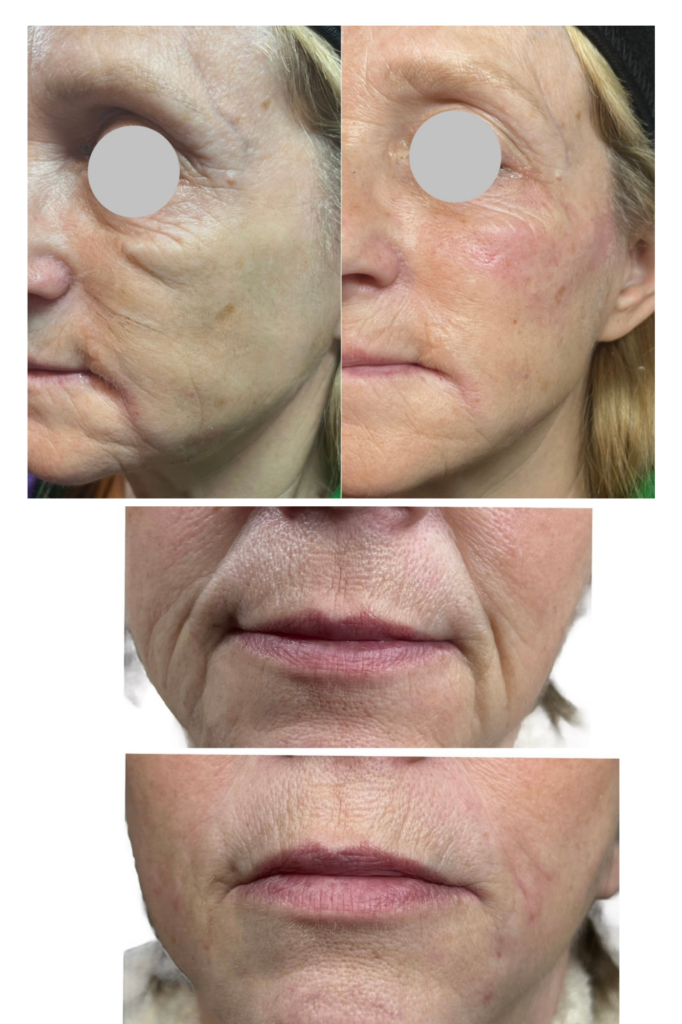
Smile Lines (Nasolabial Folds): Soften those deep lines from nose to mouth for a smoother, fresher appearance.
Marionette Lines: Say goodbye to that downturned or ‘sad’ look by lifting and filling the lower face.
Non-Surgical Nose Job: Refine your nose shape, smooth bumps, or lift the tip – all with filler and zero downtime.
Natural, refreshed, and confident – that’s the goal.
Frequently Asked Questions
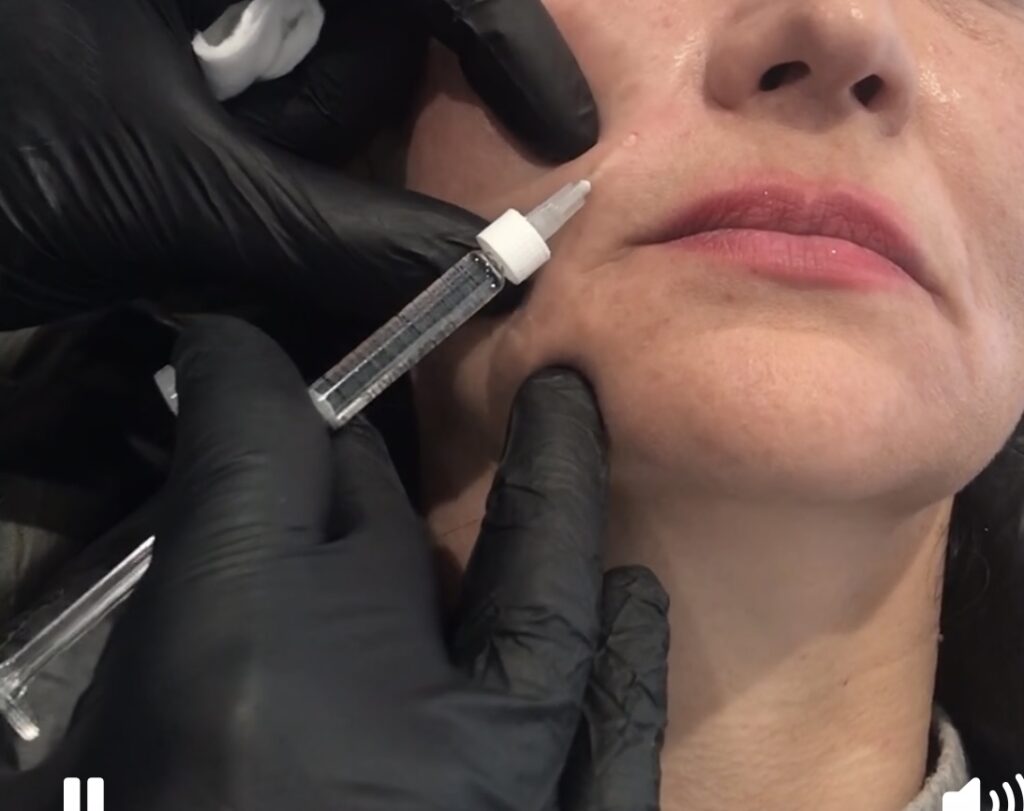
- Facial fillers, also known as dermal fillers, are injectable substances used to restore volume, smooth wrinkles, and enhance facial contours.
- Common fillers include hyaluronic acid-based products, which are naturally occurring in the body and can be dissolved if needed.
- The duration of filler results varies depending on the type of filler used, the area treated, and individual factors.
- Hyaluronic acid fillers typically last between 6 and 18 months, while other types may last longer or shorter.
- You’ll see some results immediately after the treatment, but the final results may take a few weeks to fully settle.
- Swelling and bruising usually subside within a week or two, revealing the final shape and volume.
- Common, temporary side effects include redness, swelling, bruising, and tenderness at the injection site.
- Rare but serious side effects can include lumps, ridges, allergic reactions, skin discoloration, infection, or severe swelling.
- Most fillers contain lidocaine, a local anesthetic, to minimize discomfort during injection.
- You can also request topical numbing cream to further reduce pain.
- Strenuous Activity:
Avoid intense exercise, saunas, hot tubs, and prolonged sun exposure for at least 24-48 hours, as these can increase swelling and bruising.
- Heat:
Steer clear of heat exposure, including saunas, hot tubs, and prolonged sun exposure.
- Pressure:
Avoid applying pressure to the treated area for the first 48 hours, including sleeping on your face.
- Alcohol:
Refrain from consuming alcohol for at least 24 hours, as it can thin the blood and worsen bruising.
- Touching or Massaging:
Avoid touching, rubbing, or massaging the treated area, as this can cause the filler to shift or spread.
- Active Skincare Products:
Avoid using skincare products with active ingredients like AHAs, retinols, and vitamin C for 24 hours.
- Makeup:
Avoid applying makeup to the treated area for at least 24 hours.
- Other Treatments:
Avoid facials, waxing, chemical peels, skin needling, microdermabrasion, IPL, or laser treatments for at least 2 weeks after treatment.
What to Do:- Stay Hydrated: Drink plenty of water to help your body heal and minimize swelling.
- Apply Cold Compresses: Use a cold compress (wrapped in a cloth) on the treated area for 10 minutes every half hour as needed to reduce swelling and bruising.
- Elevate Your Head: If you experience swelling, elevate your head while sleeping to help reduce it.
- Use Gentle Skincare Products: Use mild, fragrance-free cleansers and moisturizers.
- Monitor for Side Effects: Be aware of potential side effects like swelling, bruising, redness, or itching, and contact your practitioner if you have any concerns.
- Follow Up: Attend any scheduled follow-up appointments to ensure optimal results and address any concerns.
- Stay Hydrated: Drink plenty of water to help your body heal and minimize swelling.
- As with any medical procedure, there are potential risks and side effects associated with fillers.
- It’s important to discuss your medical history and any allergies with your healthcare provider before undergoing treatment.
- Fillers are generally considered safe, but some individuals may be at higher risk or should avoid them altogether, such as pregnant or breastfeeding women, people with certain allergies, or those with autoimmune disorders.
Send a Message…